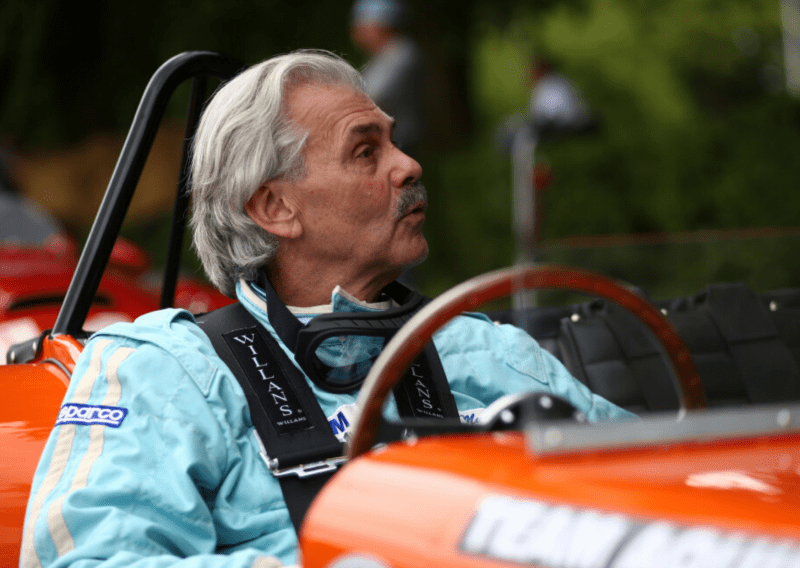
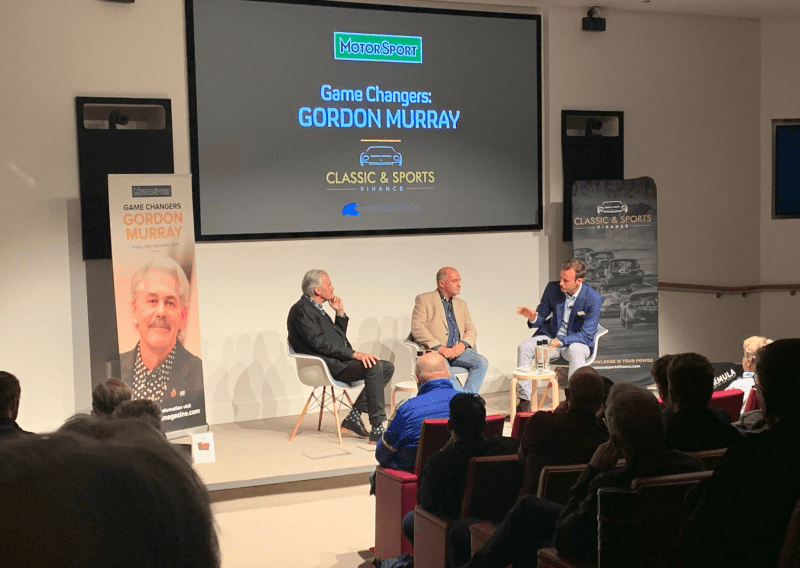
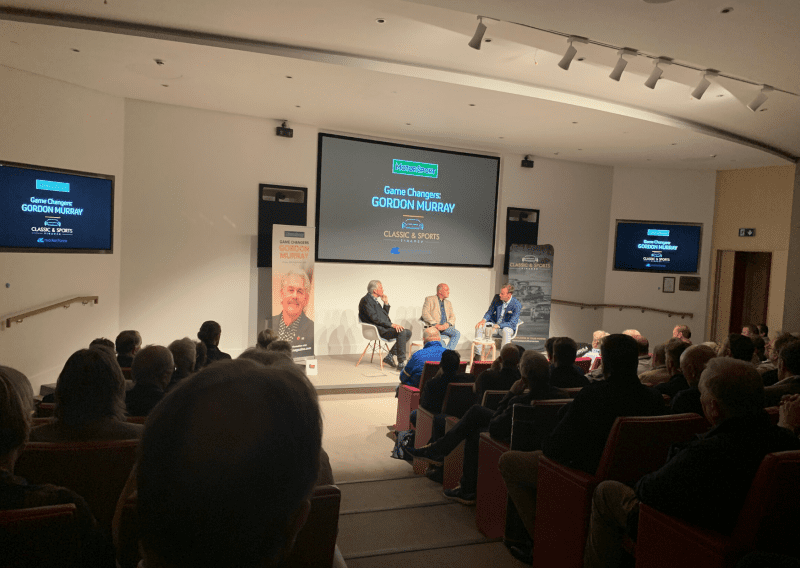
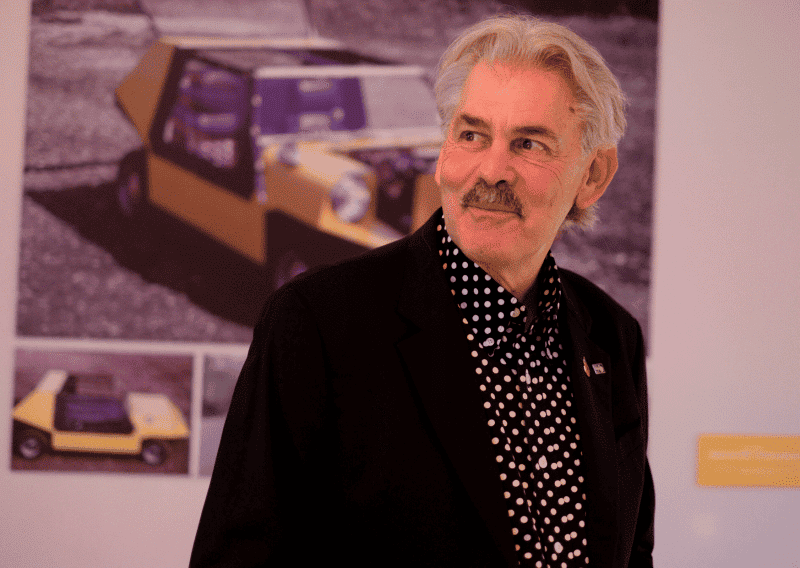
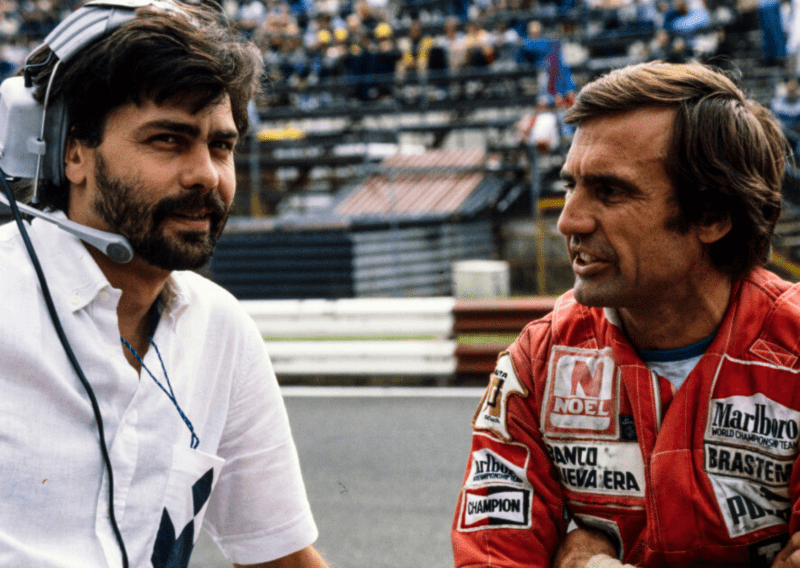
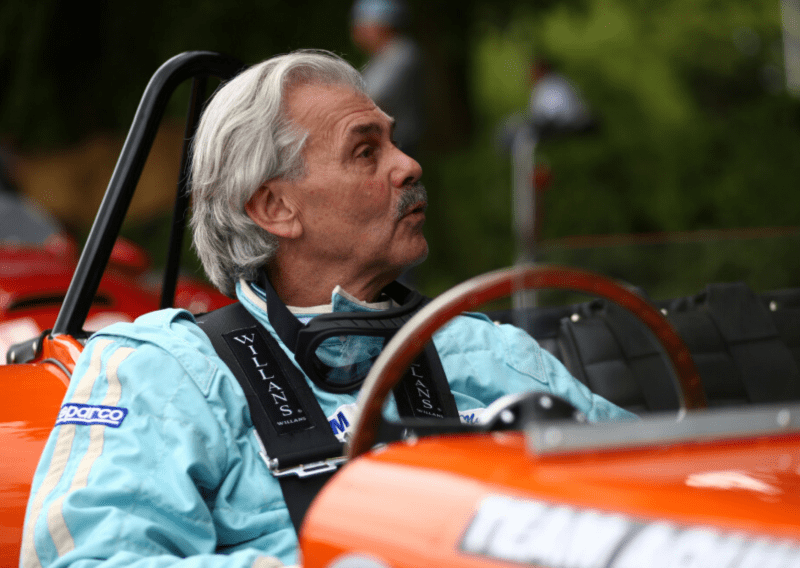
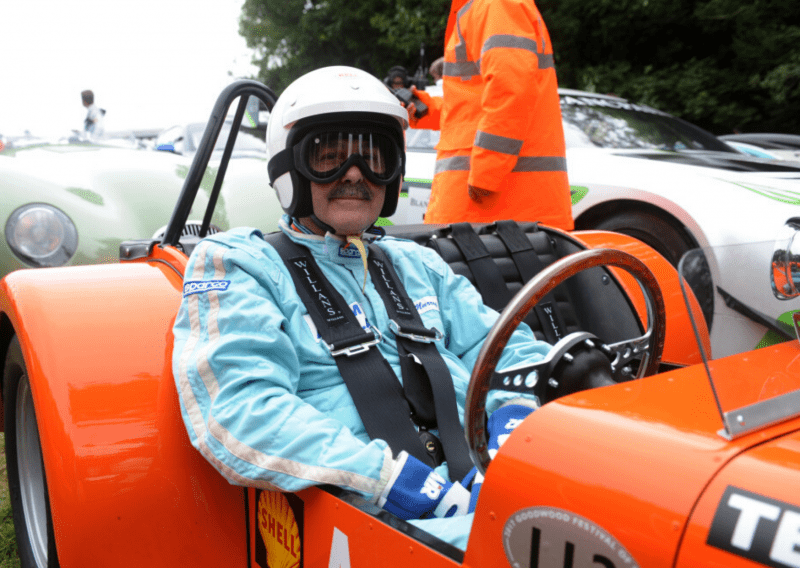
An evening with one of the greatest engineers in the history of the sport.
Gordon Murray is perhaps best known for the ground-breaking McLaren F1 road car, but he made his name designing enormously innovative Formula 1 cars for Brabham and McLaren, which won 56 grands prix, five world drivers’ championships and three constructors’ championships.
Listen and Watch
Supporting Sponsor – Classic & Sports Finance
Classic & Sports Finance are the UK’s premier funder of classic car and race cars, with over £100 million of finance arranged for collectors and enthusiasts since 1999 through our panel of private banks and specialist lenders.
With over 50 years of experience in the industry our team have sourced and financed some of the world’s rarest automobiles including the legendary Ferrari 250 GTO and Jaguar D-Type for some of the world’s most prominent collectors. We are known across the classic car industry for offering excellent service and sound advice to both buyers and dealers as well as providing the latest market analysis and commentary to the media.