


F1
Why F1's 2027 silly season stopped being silly
F1's 2027 grid was supposed to be shaken up by new rules - instead, almost nobody is moving

Formula 1 aims to promote the most talented drivers and staff, regardless of gender or ethnicity, with diversity monitoring, inclusive driver programmes and an education syllabus
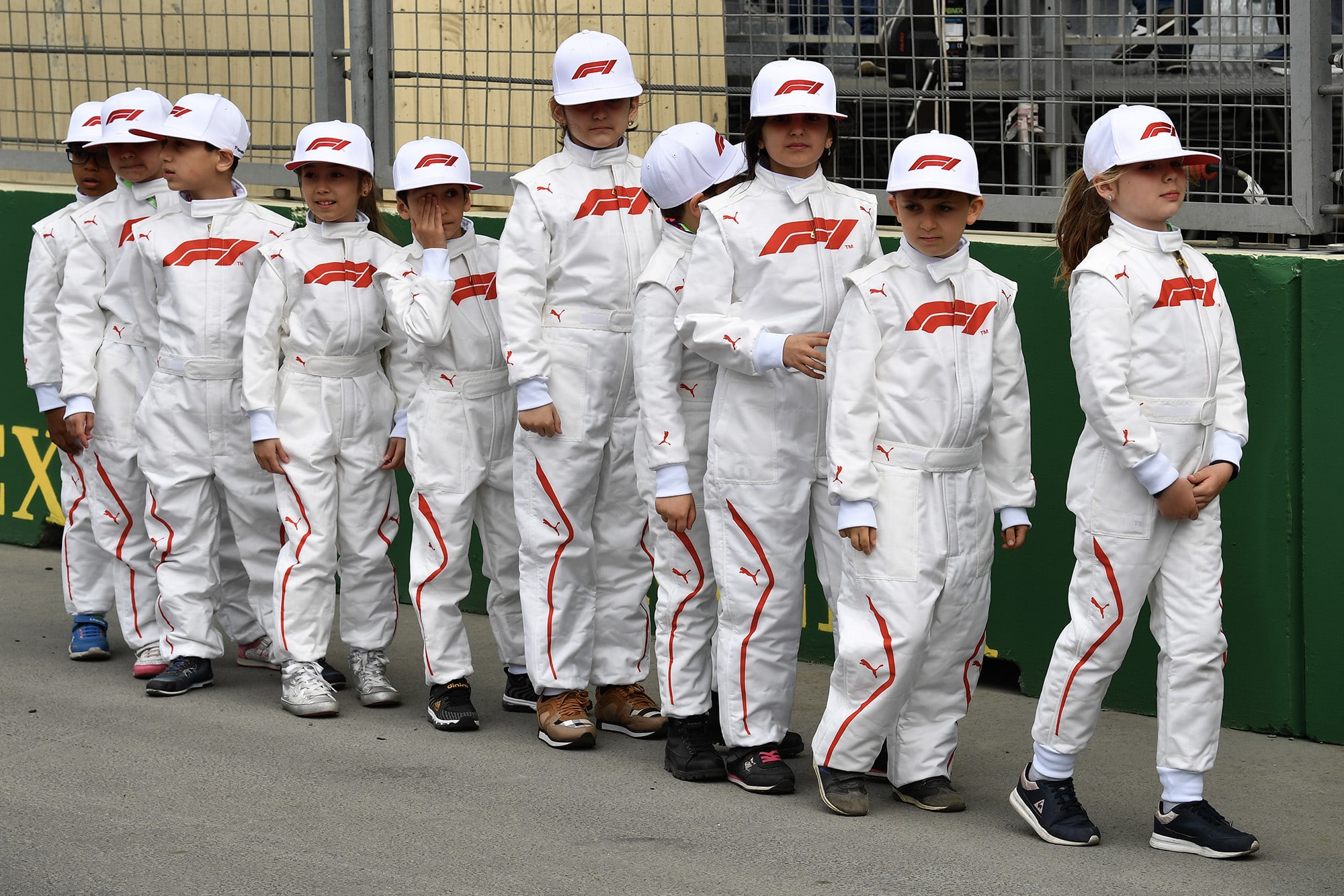
F1 taking steps to ensure future grid is more diverse Photo: Motorsport Images
Formula 1 will monitor diversity in top-level racing in a bid to ensure the sport is not dominated by white men from wealthy families.
In a presentation, the sport’s commercial rights holder said that it would set up “inclusive driver programmes” in Formula 3, Formula 2 and esports to find the best male and female drivers from any background and “empower diverse talent to rise”.
The proportion of drivers in F1, F2 and F3 from underrepresented backgrounds will be measured, and the make-up of F1 staff will be monitored for diversity across gender, ethnicity and disability.
“Our goal is to have a meritocracy that promotes the most talented drivers into F1, regardless of gender or ethnicity”
In future, the range of presenters will better reflect the sport’s global viewers.
The move follows increasing concerns that racing appears inaccessible and too expensive, barring talented young talents from making it to the top across a range of F1 roles.
At the beginning of last season, Lewis Hamilton wrote on Instagram: “There is barely any diversity in F1. Still nothing’s changed in the 11 years I’ve been here. Kids, people, there are so many jobs in this sport in which anybody, no matter ethnicity or background, can make it and fit in.”
Earlier this year, Sebastian Vettel said that he would never make it to F1 if he was starting out today because of the spiralling cost of competing in karting and junior racing. Registration and entry fees cost £13,500 alone for a full Formula 4 season.
“We are committed to building a more diverse and inclusive sport, breaking down the stereotypes associated with a career in motorsports and encouraging people from all backgrounds to get involved,” said Chase Carey, CEO of Formula 1.
“Our goal is to have a meritocracy that promotes the most talented drivers into F1, regardless of gender or ethnicity.
“Addressing this issue will take time but we are in no doubt that the steps we are taking to improve representation in our business will have a positive impact in the long term.”
Recent F1 news
The six-page Diversity and Inclusion strategy, published on Formula 1’s corporate website, does not include any targets for recruitment from underrepresented backgrounds, and it is not clear how the policies will be implemented or enforced.
It pledges to: “Promote a diverse driver talent pipeline by identifying and systematically eliminating barriers to entry from grass-roots karting to the F1 grid.”
Broadcasters are also included in the plan, which includes a statement to: “Promote a diverse mix of presenters and content across our channels and at our live events that reflect our global fanbase.”
F1’s staff are mentioned as part of a strategy to: “Create an inclusive culture across all F1’s workplaces that supports the attraction and development of diverse pool of talent.” The sport will measure the proportion of staff by gender, ethnicity and disability.
In addition, there are plans to design F1-related education programmes to encourage children to take up the four STEM subjects of science, technology, engineering and maths.
F1's 2027 grid was supposed to be shaken up by new rules - instead, almost nobody is moving

Motor Sport F1 Show with Mark Hughes
What's the overlooked factor behind McLaren's Zandvoort dominance? And can it survive the trip to Monza?

F1's benchmark engine continues to be no match to its rivals on track, and the FIA's latest verdict has confirmed there's no relief coming soon

Antonelli and Russell have conceded the pace fight. Wolff says the money isn't there to respond - but not everyone in the paddock is convinced