


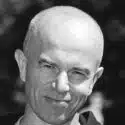

French riders dominate at Le Mans but a few Brits have conquered the event over the years: 1990s superbike king Carl Fogarty, Isle of Man TT legend Steve Hislop and, more recently, Yorkshireman Dan Linfoot.
Linfoot contested grands prix and British Superbikes before switching full time to endurance in 2024, riding for the French-based, factory-backed Yoshimura Suzuki team. He won the 2024 24 Hours, and the Bol d’Or in 2024 and ’25, so he’s fully into the endurance groove and a favourite for Le Mans.
Like most daytime racers who switch to night-time racing, Linfoot adores the dark.
“I love the night, absolutely love it,” he says. “It’s fantastic, because you feel like you’re doing something you shouldn’t be doing. And it’s kind of nice, because it’s cooler. Naturally you go as fast during the night as you do in the day.
“You feel like you’re in the middle of a festival when racing at Le Mans and the Bol d’Or. There’s people camping, drinking, partying. During the night you see this haze of barbecue smoke and you’re smelling sausages as you’re flying down the back straight, so it’s different, it’s good fun. But, of course, when you’re on the bike, there’s that focus which removes you from that sort of thought process.”
Linfoot and his team-mates have a lap time to aim at, based on practice and data, which is their target for the entire 24 hours.
“The key word for me is rhythm,” he adds. “Sometimes at night you see a red light in the distance and you think, ‘OK, well, he’s eight seconds away,’ but three corners later you’re charging into the back of him like he’s got a problem, but it’s just his pace. You think, ‘Oh no, I’ve caught him quicker than I anticipated, where am I going to go?’ And before you know it, you’ve lost half a second in that corner and you’ve lost your rhythm.”
Eating and drinking correctly are another challenge of endurance events.
“At last year’s Bol I slept twice for 10 minutes. I do try to sleep, but it’s difficult because you’re buzzing, your body temperature is quite high, your mind’s still on the race and there’s a lot of noise.
“I eat a lot, a heck of a lot. After every stint I have a small meal, something with carbs and protein, but when it gets to 2am or 3am you don’t feel like eating, so you crave a bit of sugar – some Haribo, a bit of chocolate or whatever. I know riders in BSB that struggle with eating, because of nerves and stomach issues, but in endurance you have to eat well.”
By the end of the 24 hours – if he makes it – Linfoot is mentally and physically destroyed.
“You certainly pay for it. All the riders look pale and lethargic. If you’re on the podium, you have a couple of swigs of champagne and it goes straight to your head, so it’s like you’ve had 10 pints. The next morning you don’t feel too bad but then you get home, sit down and you go, ‘I’m done in.’ It’s probably Wednesday before you’re getting back to normal.”