F1 circuits: every track on the 2026 calendar
From Australia to Abu Dhabi, here is every F1 circuit on the new-look 2026 grand prix calendar

Grand Prix Photo
The 2026 Formula 1 season is comprised of 24 circuits, spread over 21 countries and five continents.
Each one is a known quantity, having appeared on the calendar before – even Madrid’s new part-street layout builds on F1’s long-running Spanish presence – but fans will notice another reshuffle in the order, partly due to F1’s efforts to group the races more logically, reducing travel costs and emissions, as well as fatigue during the year.
The season begins in Australia, which retains its place as the opening round, before the series heads to China and Japan to form an early Asian swing. The Bahrain Grand Prix now slots into April, followed closely by Saudi Arabia and then a North American stop in Miami, one of several designated Sprint weekends.
There’s then a long stretch in Europe – with visits to classic world championship venues including Monte Carlo, Silverstone, Spa and Monza – plus a double-header in Spain, with Barcelona in June and a later Spanish Grand Prix at the new Madrid circuit rounding out the continent’s leg.
From there the grid heads back out to the Americas, with races in Montreal, Austin, Mexico City, São Paulo and Las Vegas, before a closing triple‑header in Qatar and Abu Dhabi, again rounding off the campaign under the lights.
Scroll down for a full breakdown of every circuit Formula 1 will visit in 2026.
Melbourne Street Circuit
Australian Grand Prix
2026 race date: 8 March
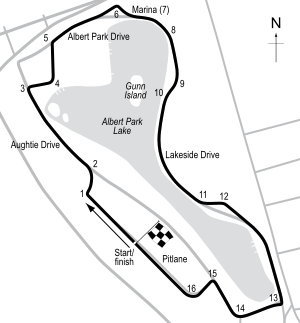
After two years of significant renovations amid Covid, the Melbourne Street Circuit in Albert Park returned to the F1 calendar in 2022 — now faster than ever.
Four DRS zones often keep the pack close together, promoting wheel-to-wheel racing, but also raising the risk of collision — just ask former Alpine team-mates Esteban Ocon and Pierre Gasly…
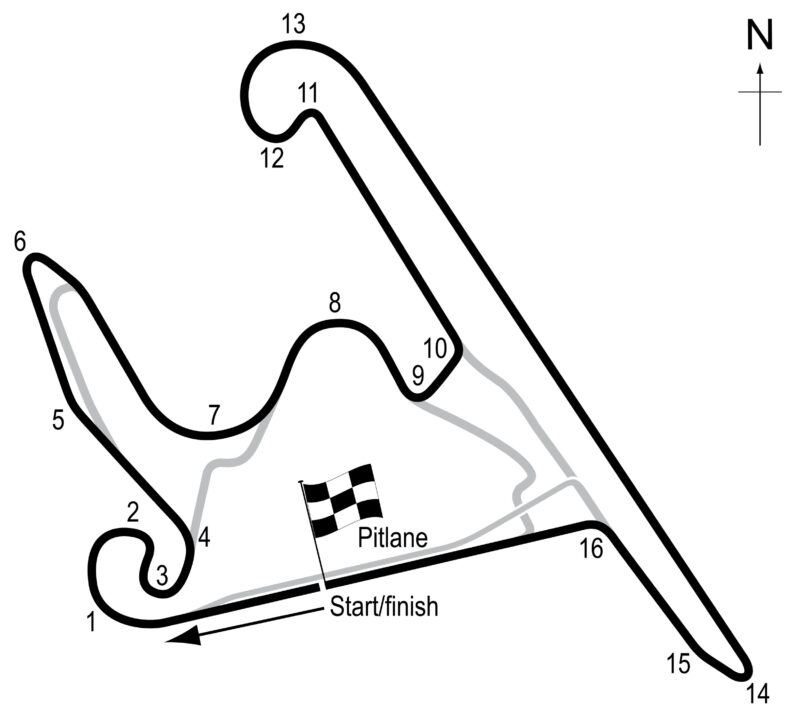
The ever-tightening combination of opening corners at Shanghai’s International Circuit means on-track action begins just as quickly as the lights go out, and the ultra-long DRS-assisted back straight is often a site for last gasp overtakes in the run up to the chequered flag.
After a four year pause due to Covid, the Chinese Grand Prix returned to the calendar in 2024, also hosting the first of the 2025 sprint races.
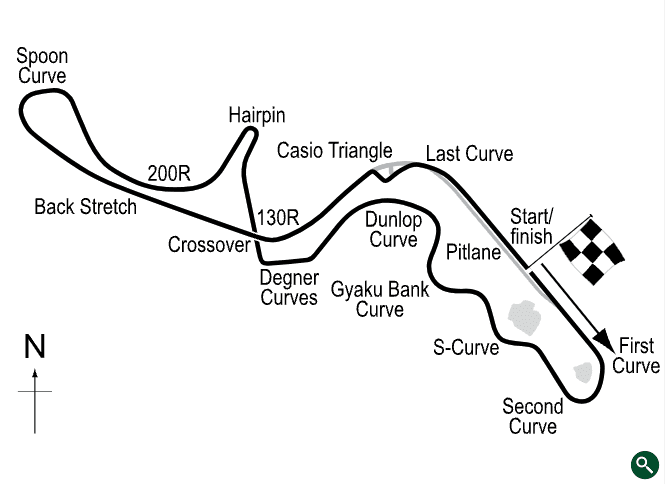
F1’s annual visit to Suzuka was moved from autumn to spring in 2024, grouping it with the Australian and Chinese Grands Prix to reduce F1’s annual travel mileage.
It’s a driver favourite, if not the driver favourite, thanks to the high-speed twists epitomised by the Esses near the start of the lap and the flat-out 130R near the end.
The climate also has its part to play, with wet weather frequently shuffling the order. It’s an early highlight.
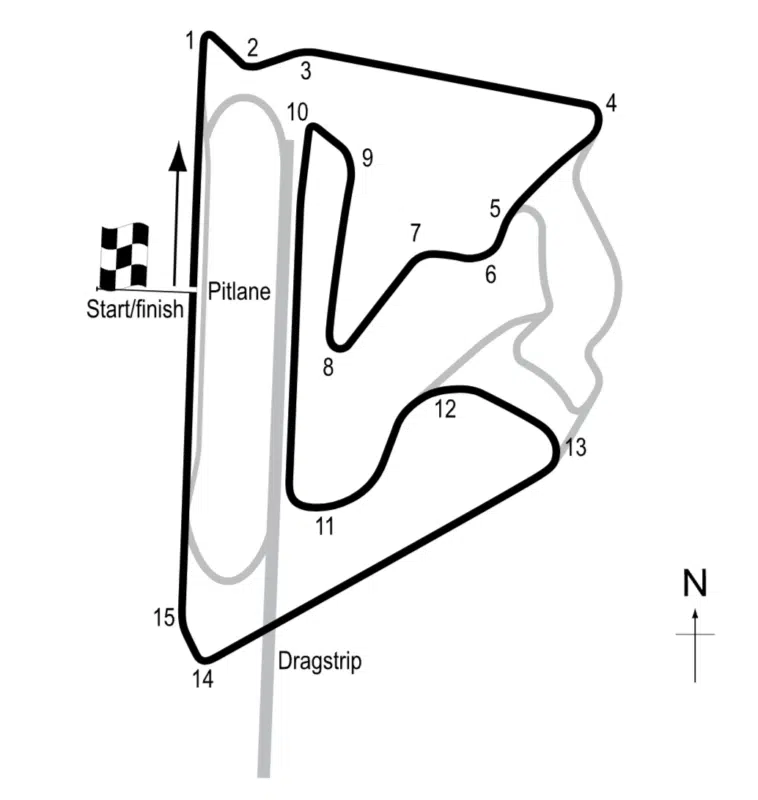
With 15 corners, two DRS-assisted straights and plenty of overtaking zones, the Bahrain International Circuit has provided its fair share of memorable moments, from Lewis Hamilton’s drama-filled win over Nico Rosberg in 2014 to Max Verstappen’s titanic battle with Charles Leclerc in 2022.
It’s a familiar stage for F1, thanks to its role in hosting pre-season testing.
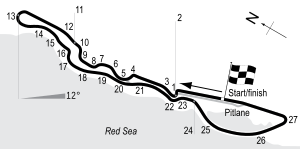
With average speeds topping out at just over 155mph — second only to the ‘Temple of Speed’ of Monza — the Jeddah Corniche Circuit is an unrelenting attack on an F1 driver’s senses.
A high pace yet technical sector 1 unfurls into a beach-side sprint through sectors 2 and 3, where drivers risk it all to overtake their rivals into the penultimate turns — and hope to avoid falling victim to a DRS pass across the line. It’s a thrilling spectacle no matter where you watch from.
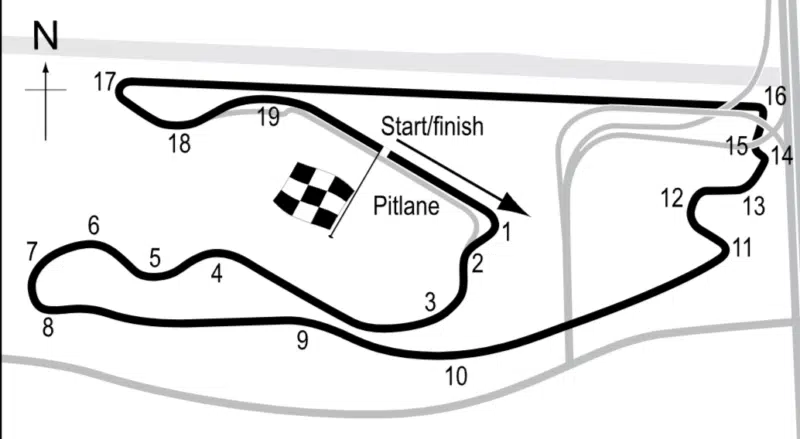
Built in a stadium car park far from the oceanfront, with a famously fake marina, and eye-watering hospitality prices, Miami has plenty of detractors, but it has proven its worthiness on the F1 calendar.
It’s not just the layout — although overtaking is possible on the 19 corner circuit where three straights separate overtaking opportunities with tricky elevation changes too – but its place in the calendar.
Miami comes a fortnight after F1’s initial journey through Asia and the Middle East and teams often find that the slight pause for breath after the first five races is the optimum time to introduce their first major upgrades of the season.
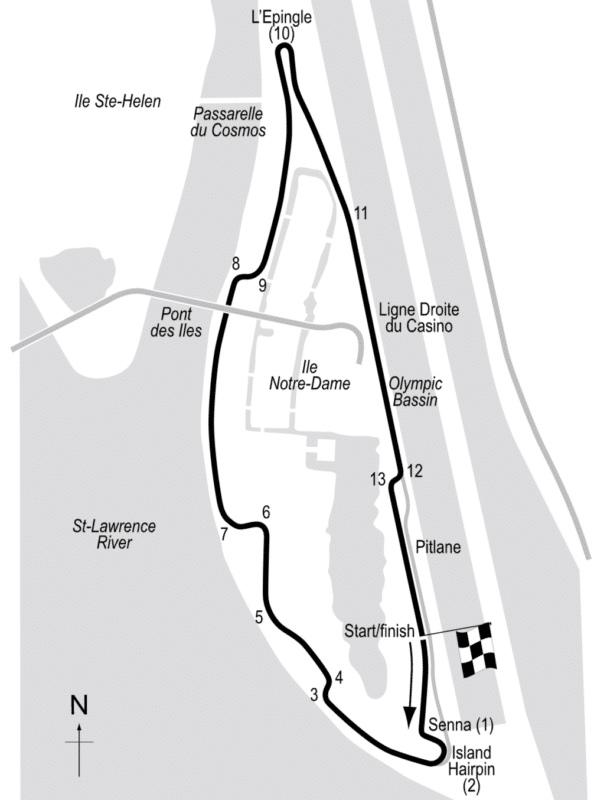
Much like the man it is named after, the Circuit Gilles Villeneuve is fast and relentless. Quick sections of track are ended abruptly by numerous heavy braking zones, which create a fair share of overtaking opportunities.
But all eyes should be on the notorious Wall of Champions — a wall of concrete on the exit of the final chicane which has claimed many a big name.
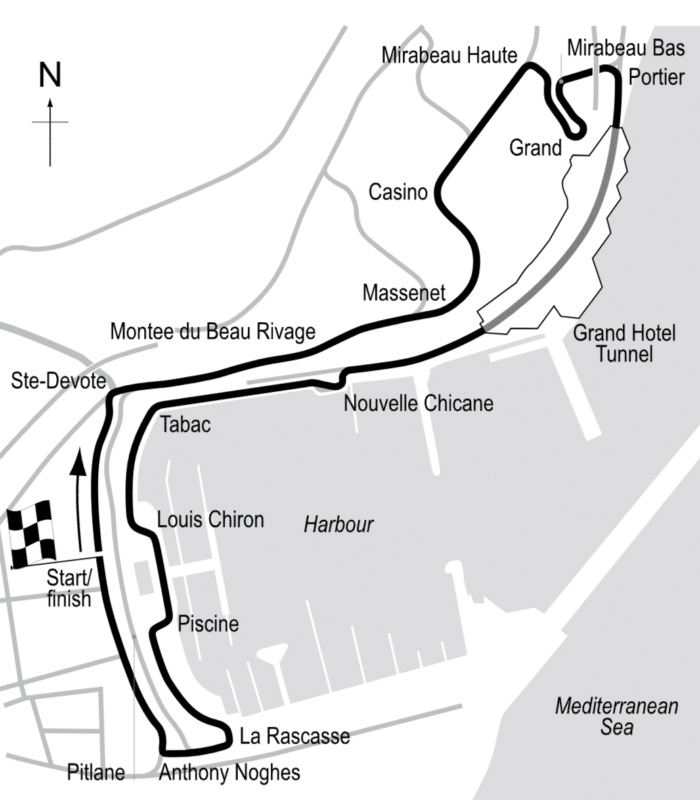
Sainte Devote. Casino Square. The Grand Hotel Hairpin. The Tunnel. Almost every inch of the Monte Carlo Street Circuit is immersed in F1 history, and it remains one of the most prestigious events in the sporting world.
In the modern era, the 19-turn challenge comes largely in qualifying before the processional race where 20 drivers prove that overtaking is all but impossible.
There were moves afoot to make the grand prix more of a spectacle though, with drivers drivers forced to make more than one pitstop in 2025.
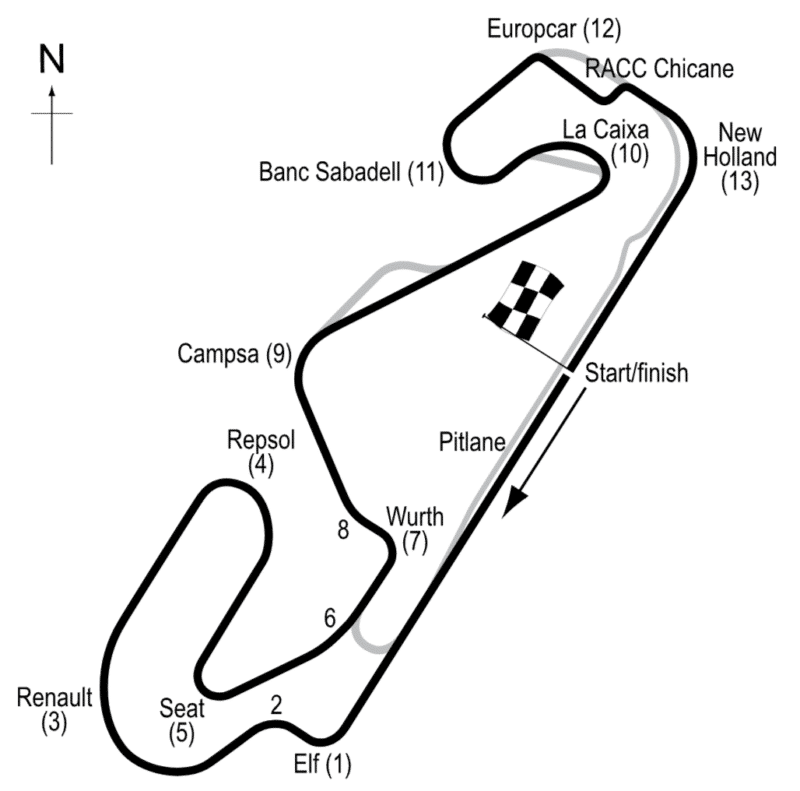
After turning its lithesome final sector into an ultra-fast double left-hand turn — with speeds in excess of 160mph — the Barcelona-Catalunya circuit has been transformed into a racing venue filled with opportunity.
Drivers recorded a combined 75 overtakes around this 14-turn circuit i n 2023, with the best opportunities coming at Turn 1 after drivers slingshot out of the final corner with a DRS assist along the start/finish straight.
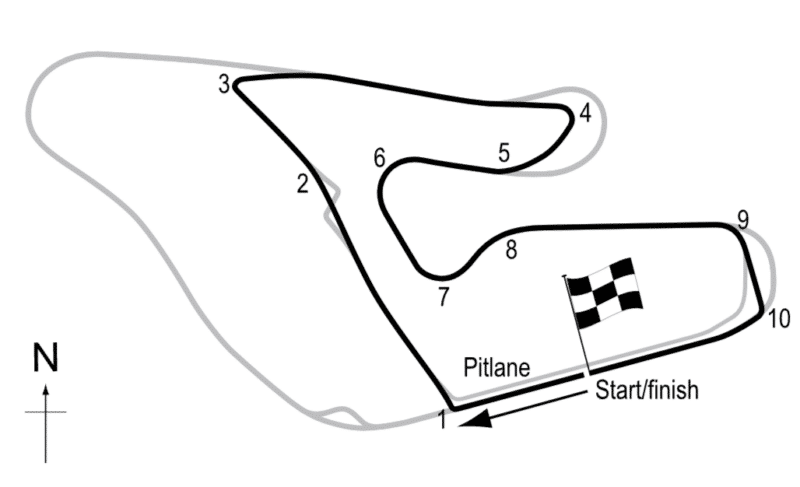
Don’t let its size fool you. Despite being just 2.5 miles long and with average lap times coming in at a little over a minute, the Red Bull Ring is a colossal challenge with massive uphill sections of circuit that reward power and utter commitment as drivers head into the heavy braking zone at Turn 3. Plunging back down the hill is equally as exhilarating but just as treacherous for battling drivers.
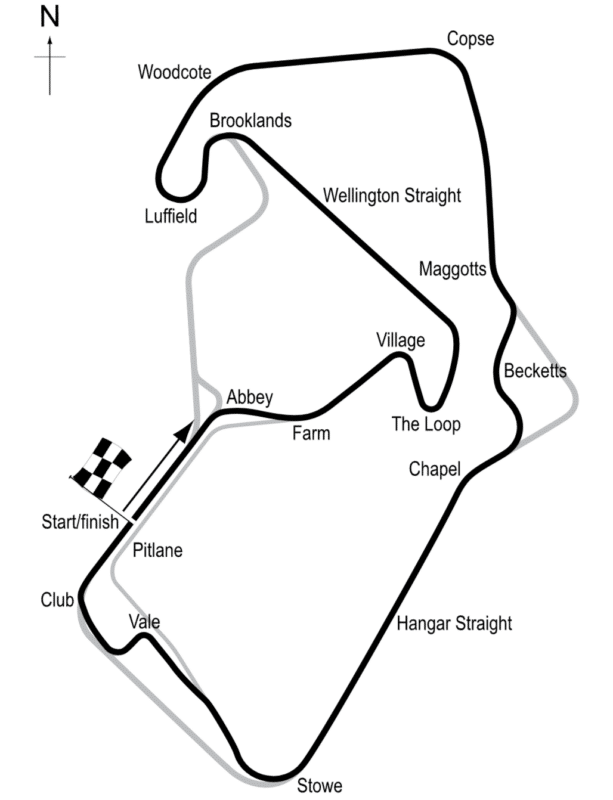
The home of Formula 1 in Britain, and some would say of the series as a whole, given that it hosted the first world championship grand prix in 1950 and is regarded by most teams as their home circuit.
Swooping sections of the track like Maggotts, Becketts and Abbey flow effortlessly into heavy braking zones — creating race-changing opportunity for cars throughout the field. But its fast nature can end in spectacular clashes, and it has witnessed title contenders coming together through the ages.
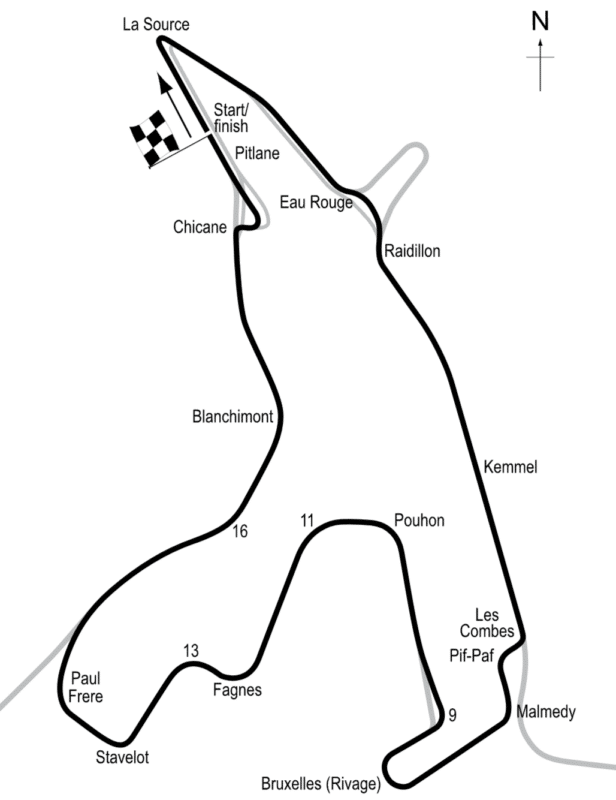
Few circuits are more beloved than Spa-Francorchamps — a 4.3-mile, 19-turn behemoth situated in lush Belgian countryside which pushes cars to their limits. Unpredictable weather can quickly turn the thrilling climb up through Eau Rouge to Raidillon into motor sport’s largest water slide; the 134ft climb to the top remains one of the most famous sections of race track anywhere in the world.
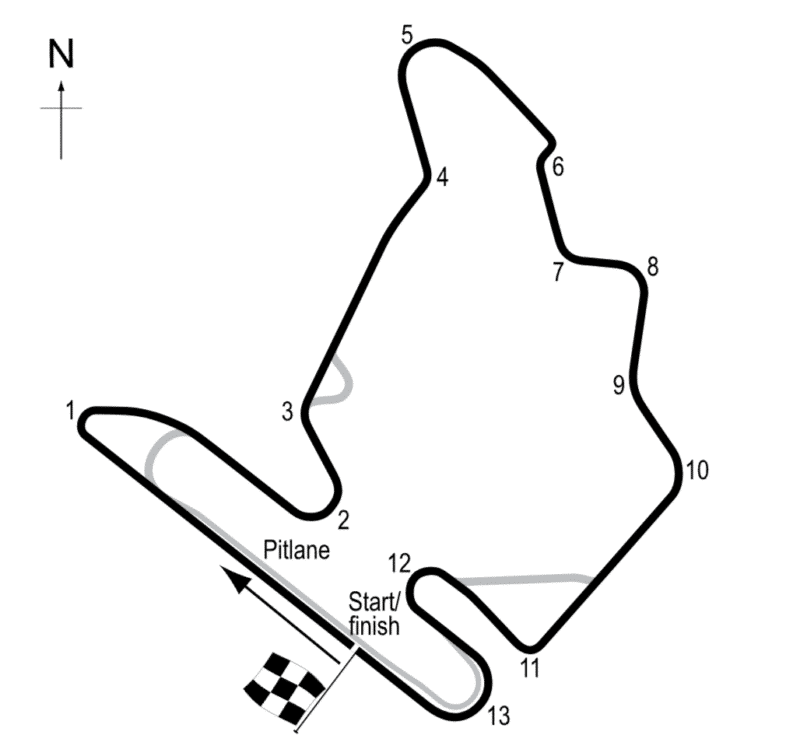
Built like an upscaled karting circuit — with few straights and seemingly endless corners — the Hungaroring keeps drivers on their toes, with Monaco levels of precision required to meet the chequered flag first. At its widest, the track is only 15m across, making overtaking a challenge.
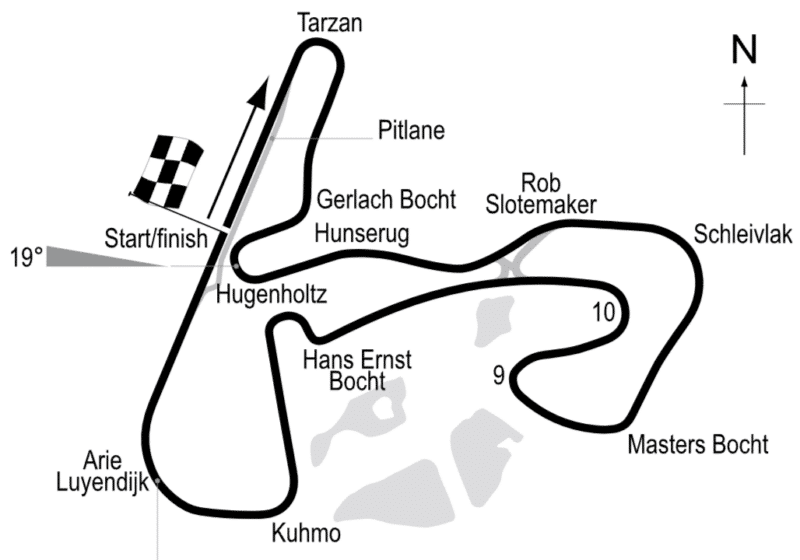
Undulating terrain, ‘crazy’ banked corners and sand-covered braking zones are just some of the challenges which face F1 drivers at Zandvoort — a 14-corner historic circuit that returned to the calendar in an updated guise.
Home hero Max Verstappen is the undisputed star of the weekend, and brings with him an army of support, whose flares infuse the stands — and sometimes the track — with orange smoke. 2026 will be the last time Zandvoort will appear on the calendar for the foreseeable future.
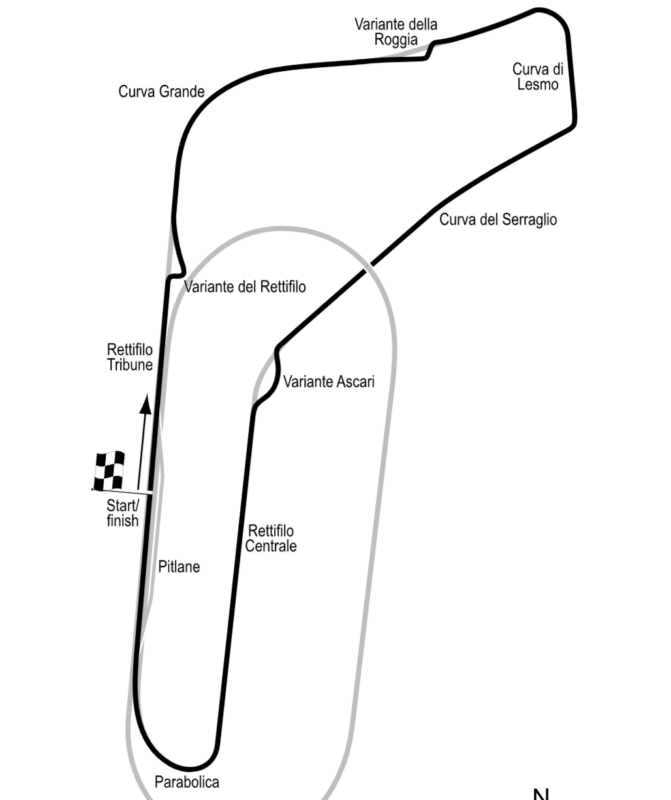
With cars at full throttle for 80% of the lap — hitting an average speed of well over 150mph — Italy’s Monza is widely regarded as F1’s ‘Temple of Speed’ for good reason. Long straights end abruptly in series of tight and narrow chicanes, offering opportunities for the brave, although many have found their race over after an opportunistic lunge.
Madring Circuit
Spanish Grand Prix
2026 race date: 13 September
Spain’s new Madring F1 circuit, built to host the Spanish Grand Prix in 2026, plays a different tune from the classics. The main straight invites speeds of up to 340km/h, yet the track’s mid-section tightens into a chicane-laced corridor that will force trains of cars, nose-to-tail, much like Suzuka in its rhythm. The combination of long, sweeping corners and sudden changes in grip will test almost every aspect of a driver’s skill.
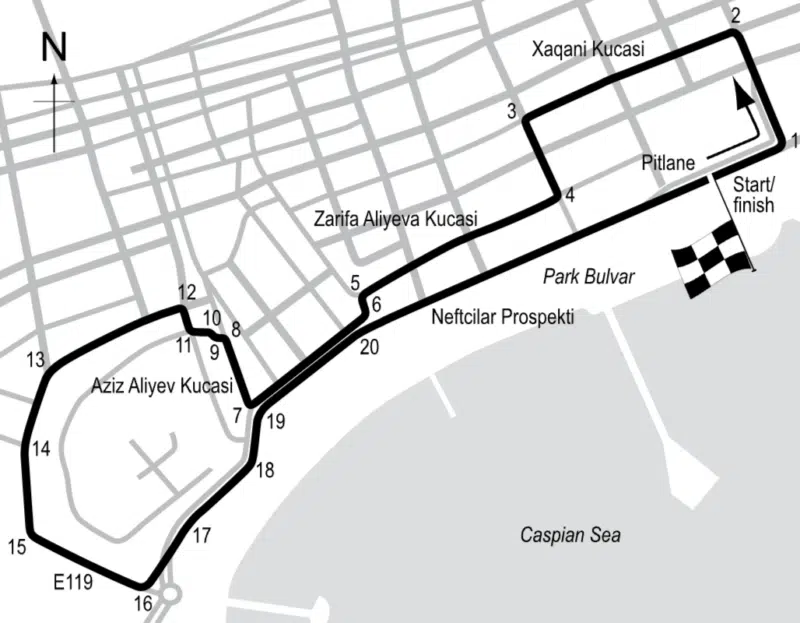
Baku’s city street circuit is often described as a mash-up of many different racing venues. The 1.4-mile long main straight can see cars reach Monza-like speeds while racing three abreast, while the following technical sections often force drivers to form a single file line — much like Monaco — where the smallest mistakes can be punished almost instantaneously. Safety cars and red flag restarts are rarely far away.
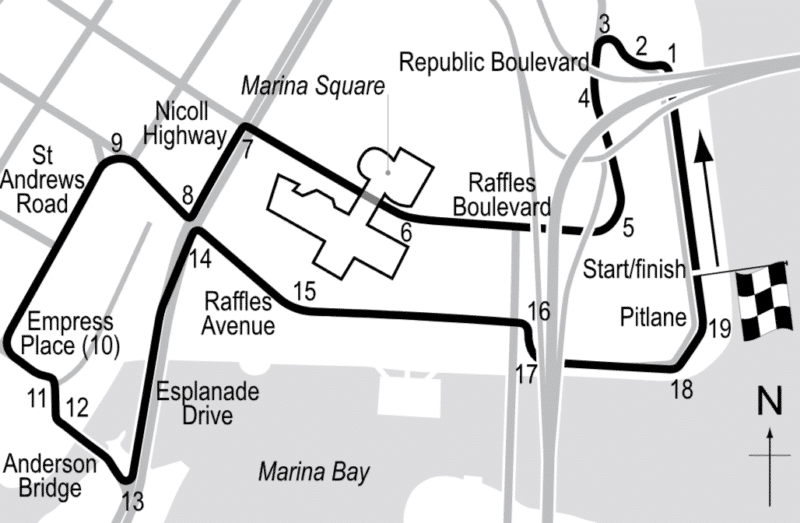
The Marina Bay Circuit arguably presents the most daunting physical challenge on the current F1 calendar. As well as having to compete on a relentless 19-turn street circuit with little margin for error, drivers also have to cope with excruciating heat and humidity which can cause them to lose up to 3kg of weight during the race.
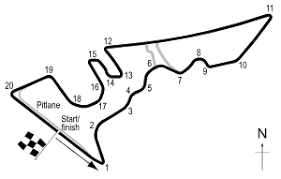
It’s where America learned to love Formula 1 again. The flowing circuit shows the cars off to their best; the uphill drag from the start line to the wide Turn 1 often results in a first tense first corner battle for the lead; and there are overtaking opportunities for the brave.
Combining some of the best bits of circuits elsewhere in the world, Circuit of the Americas is a favourite stop on the schedule.
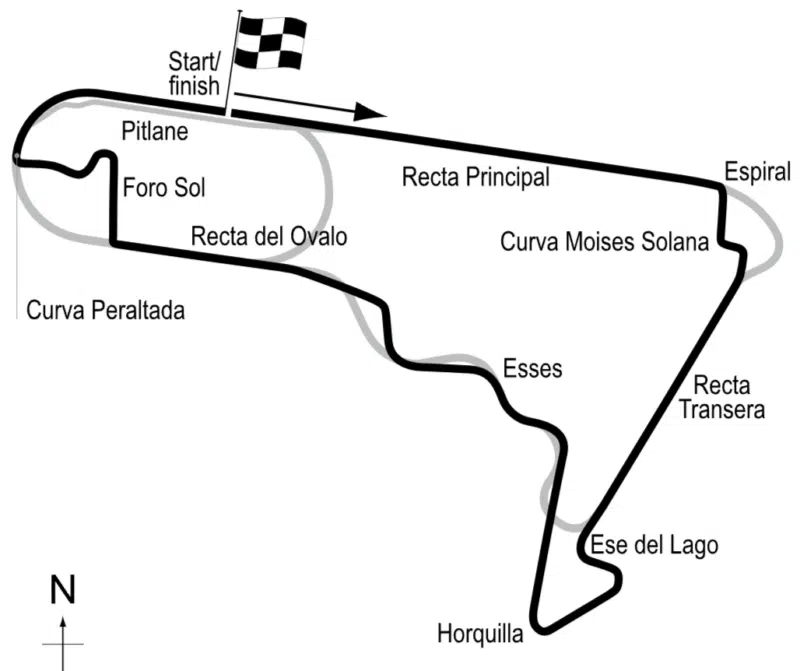
At 2km above sea level, the Autodromo Hermanos Rodriguez is a breathless experience for the drivers as well as their machinery.
The thin air means engines produce less power, but there’s also less drag, making slipstreaming down the main straight a powerful weapon before heading into Turn 1. A technical sector 2 eventually unwinds into a fan-filled stadium section, where thousands of spectators produce one of the best F1 vistas on the calendar.
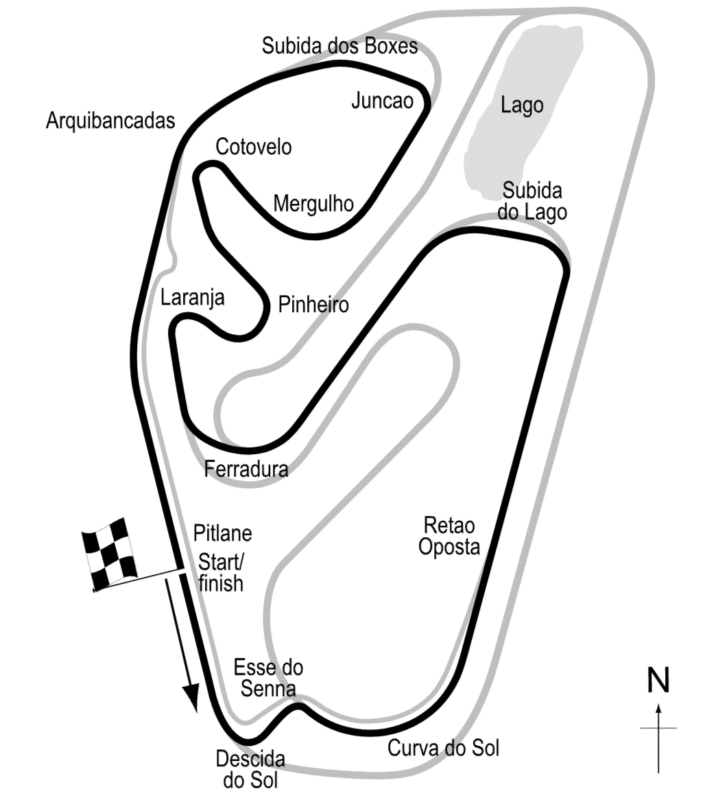
Host to some of the best racing the series has produced in recent times, Brazil’s Interlagos circuit is widely regarded as a near-perfect racetrack. The 2.7 mile ribbon of asphalt sits in the middle of a natural bowl, with numerous banked corners and two straights which produce plenty of overtaking right up until the chequered flag, as Lewis Hamilton, Timo Glock and Felipe Massa know all too well.
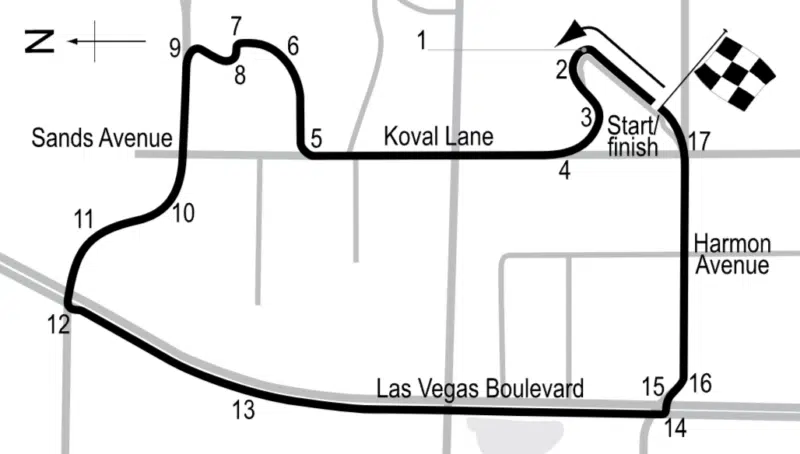
While racing in Las Vegas isn’t a totally new concept, its new street circuit is: promoted by F1 itself, and with a new permanent building designed to publicise the brand year-round, the venue is a showcase for a slicker, even more glamorous future for the series.
Not everybody is on board with the vast hospitality areas and high prices, and a loose manhole cover caused a nightmare start for race organisers, as well as the spectators who were shut out. However, its first two races were captivating, with high-speed competition on the Strip, which went a long way to winning round its critics.
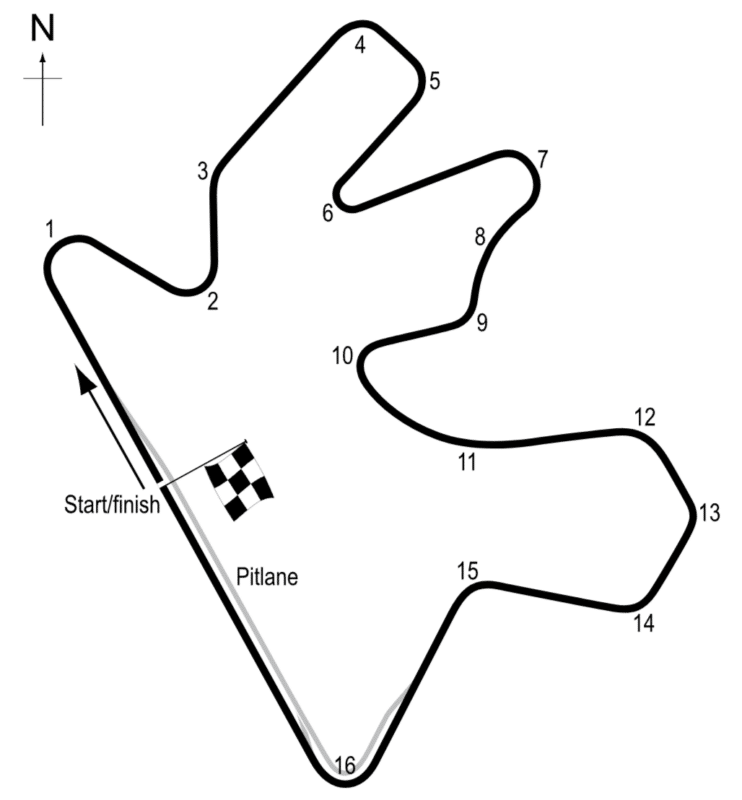
It’s no secret that the Losail Circuit was built for racing on two wheels instead of four. Despite splaying out over 3.4 miles of Qatar desert, the MotoGP circuit itself is fast, flowing and filled with medium to high-speed corners. With little room to overtake, doing so takes an expert touch and the heat and humidity can create a tough atmosphere in which to succeed.
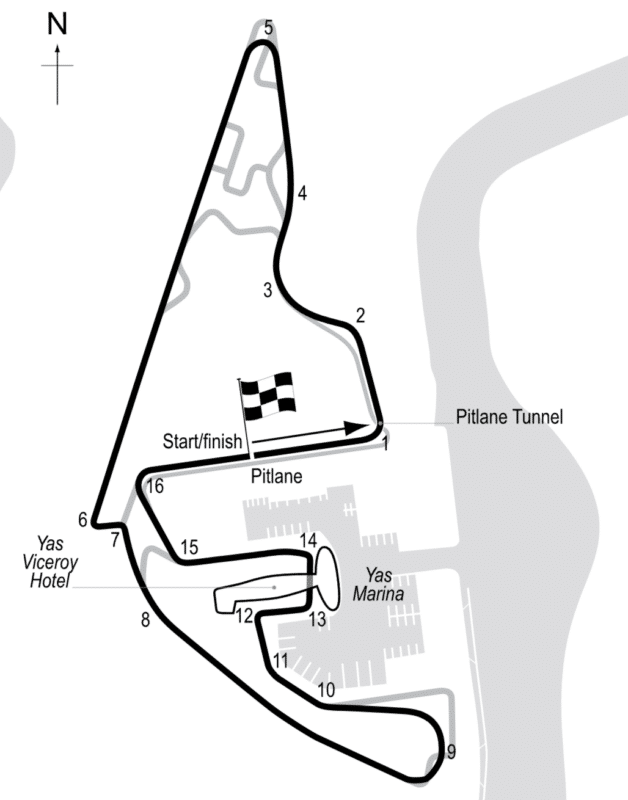
Abu Dhabi’s Yas Marina Circuit is the final stop on F1’s record-breaking calendar and looks spectacular, even if the racing is often mediocre. Adaptations made in 2021 have made the circuit faster overall, but the addition of a major hairpin at Turn 5 as well as at Turn 9, means this circuit – once difficult to race on — offers more overtaking possibilities right up to the final racing lap of the year.